July 7, 2026
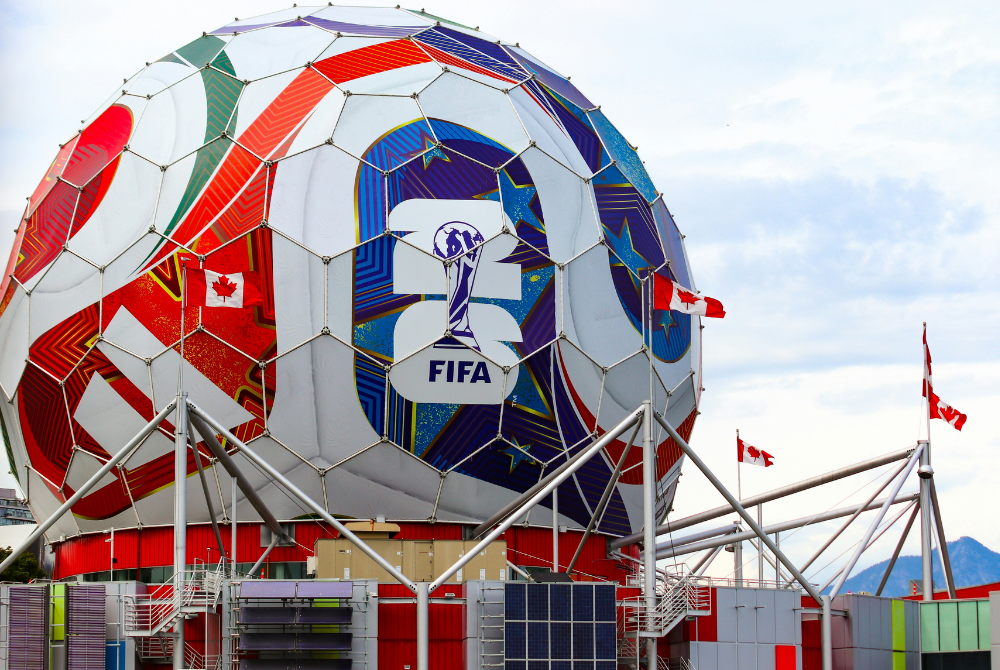
104 matches with fans from 48 nations, across 16 host cities… now that the FIFA World Cup is underway, we're already seeing which destinations planned for more than just the game itself.
While there are brands and creators racing to capture match day crowds, the most impactful content is coming from the local creators who were already telling the story of their city before the first whistle.
The World Cup can bring attention to a destination’s local businesses, hotels, and attractions overnight, but how can that attention be turned into something more lasting?
While fans fill stadiums, they're also searching for restaurants, neighborhoods, day trips, and experiences beyond the match. That's where creator content does its best work.
A highlight reel from a fan zone may perform well for a few days, while a local creator's guide to where to spend an extra afternoon in Toronto or Kansas City can continue driving discovery long after the tournament ends.
For destination marketers, local knowledge is often the difference between content that feels promotional and content that feels actually useful.
A creator who already lives in a destination knows where locals gather before events, which neighborhoods come alive after dark, and which experiences visitors would never find in a guidebook.
That familiarity shows up in performance, too. micro creators consistently see engagement rates of 6–6.76%, compared to 1–2% for macro influencers*. People trust recommendations that feel lived-in.
The same principle applies whether you're marketing Mexico City or a small destination the size of Marquette, Michigan: the best stories often come from people who already know where to point the camera.
Most destination teams don’t have a content creation problem, but a content scaling one.
Managing creator sourcing, contracts, reviews, and approvals in-house can quickly become a full-time job. A single creator campaign often takes 2–4 weeks from brief to delivery. Multiply that across several creators or markets, and content production can become the bottleneck.
That's why more tourism brands are moving toward an always-on, evergreen library approach instead of relying on one-off event campaigns. The goal isn't just to capture a single moment, it's to build a steady supply of content before, during, and after it.
Years from now, few travelers will search for match day footage from 2026—but they will still search for neighborhood guides, local recommendations, hidden gems, and authentic experiences in host cities.
That's the opportunity travel marketers should be thinking about now.
Creator content is already being repurposed across social, web, email, and paid campaigns, with 77% of brands using creator content in ads that see 4x higher click-through rates than brand-produced creative*. The content library you build during a global event can (and should!) continue working long after the crowds leave.
A strong creator brief should focus on four things:
The most important ingredient, though, isn't in the brief itself: it's the creator receiving it.
When the person behind the camera already knows the destination, the content tends to feel less like marketing and more like a recommendation from a friend—which is exactly what travelers are looking for.
*Stats referenced from Aspire's State of Influencer Marketing 2026, ATTN Agency, Social Cat, Stack Influence, House of Marketers, Statusphere, Influencer Marketing Hub.
Photo by Anthony Maw on Unsplash
Hop on a 30-minute call and we'll walk you through real content from brands like yours: brief, shoot, and delivery, before you commit to anything.