September 30, 2026

You’re scrolling Instagram on a Tuesday night, when you stumble upon a Reel of a cool boutique hotel. It’s not a targeted ad or a search result, just a POV walkthrough showing off the cute wallpaper and the even cuter outdoor pool.
You save it, send it to your travel buddy… and before you know it, you’re both planning a long weekend getaway.
Most travel brands have built their content operations around seasons and calendars, but there’s always a bit of a timing issue with these campaigns: while they might inspire someone in the long term, they're usually in-market too late to drive meaningful visitation that season.
Meanwhile, 42% of Gen Z use Instagram and TikTok as trip-planning tools to organically find local experiences and must-see locations, signalling these channels are used for so much more than just inspiration. A whopping 77% of users say they've been inspired to visit a destination after discovering it on TikTok.
If you’re running a large-scale seasonal campaign, are you hitting your audience too late in their journey? And are those large-scale campaigns too broad?
This is why many travel brands are turning to an always-on content marketing strategy.
You’re already posting pretty consistently, doesn’t that count? The short answer is yes!
Always-on content marketing means a continuous, consistent flow of content across your website, advertising, and search channels. Which yes, most travel brands and DMOs are already doing, but this strategy places more emphasis on posting niche content more frequently and less on the big, high-production (and high price tag!) campaigns.
For travel brands, especially destinations, there tends to be a gap between when travelers are discovering and deciding and when most brands are producing content. By prioritizing high-volume, bite-sized story content, you’re increasing your chances of the algorithm surfacing your content, reaching people organically in their moment of curiosity.
Travel decisions begin forming well before any platform can flag a user as in-market. Research windows generally start around 12 weeks before, while travelers are consuming content from organic social, search, and video channels that fall entirely outside planned campaign windows.
Single-image posts, the format traditional campaign drops relied on, declined 9% from 2023 to 2024, as video and carousel formats took over the organic feed. Social algorithms are calibrated to surface what's new and performing well, and seasonal hero imagery isn't structured for that kind of reach.
Search is moving the same way: AI Overviews now appear for a significant share of travel queries, and they favor recent content, with 23% of content featured in AI Overviews being less than 30 days old.
Brands producing content on a quarterly campaign cycle are structurally invisible to a growing portion of AI-mediated search results. Between 2022 and 2024, 78% of travel publishers lost organic traffic between 2022 and 2024 — and the ones that recovered shared a common trait: consistency and specificity in their publishing.
The seasonal shoot model of a polished hero video, print run, or a TV spot timed for peak booking season made sense when travel discovery happened through broadcast media.
These broad campaigns were built to reach the widest possible audience, so they relied on “something for everyone” messaging: it had to appeal to the outdoorsy couple, the family of five, and the solo traveler chasing a spa weekend, all at once.
Always-on content flips that whole model on its head. Today, channel environments have changed, and so has the model: rather than writing for the widest audience, individual posts focus on experiences targeting specific visitor personas, optimized for search.
Micro-creator content is what makes an always-on content strategy achievable at scale: their content yields 6-6.76% engagement rates, compared to 1-2% for macro influencers.
The performance gap comes from specificity, not scale. Content made by an actual local carries the lived experience and knowledge that travel audiences recognize and trust.
The brands shifting to always-on aren't doing it by scaling up internal teams or running more campaigns — they're changing how content gets produced and who produces it. And with these hyperlocal stories already curated, they can supplement their always-on strategy with overarching campaigns to reshare the content across channels.
A creator management marketplace like CrowdRiff Creators helps travel brands build and maintain their always-on strategy. Book a demo to see how it can fuel your content strategy today, tomorrow, and beyond!
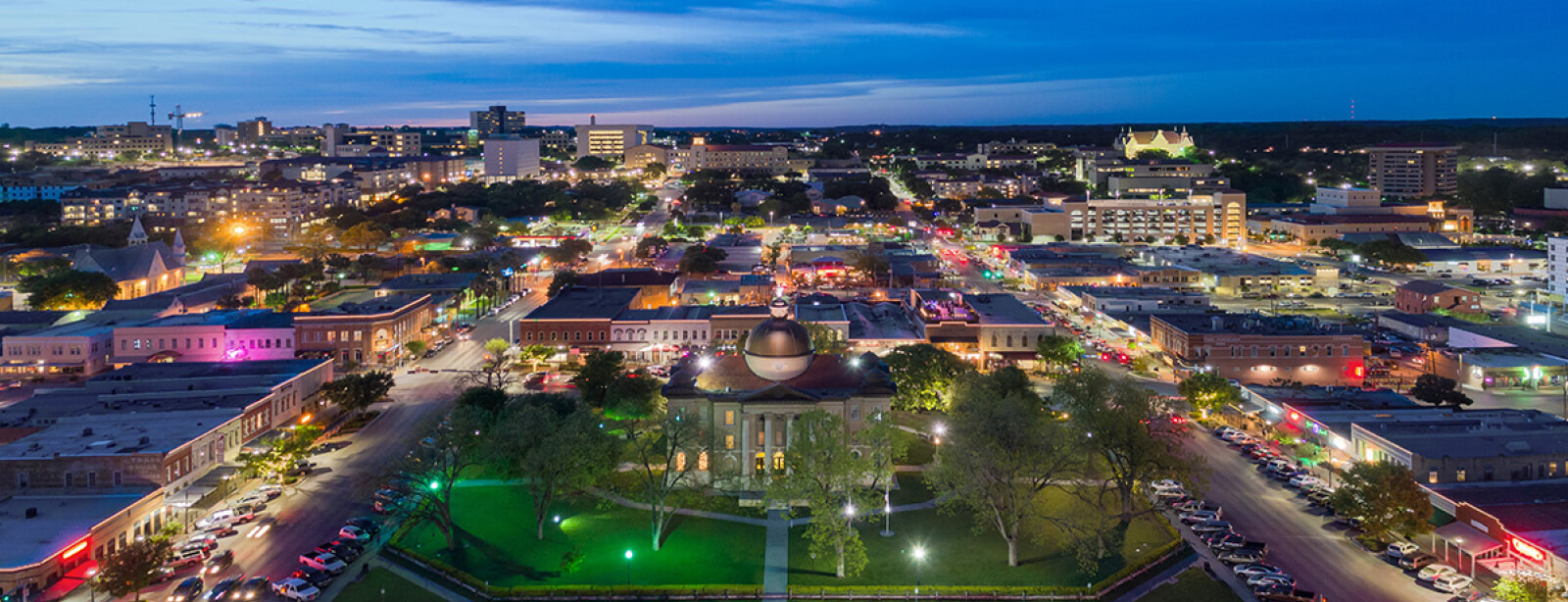
From time-strapped to content-rich: How CrowdRiff empowered the small team at San Marcos to capture more stories, faster.
Hop on a 30-minute call and we'll walk you through real content from brands like yours: brief, shoot, and delivery, before you commit to anything.